
Vehicle classes
Which van class fits your job?
Four size classes, clear planning ranges and a short three-question check help you narrow down the class before checking the exact rental vehicle.
Four size classes
Compare the main classes directly
The key differences are built into each card, so you can compare load volume, payload and licence without reading the same information several times.
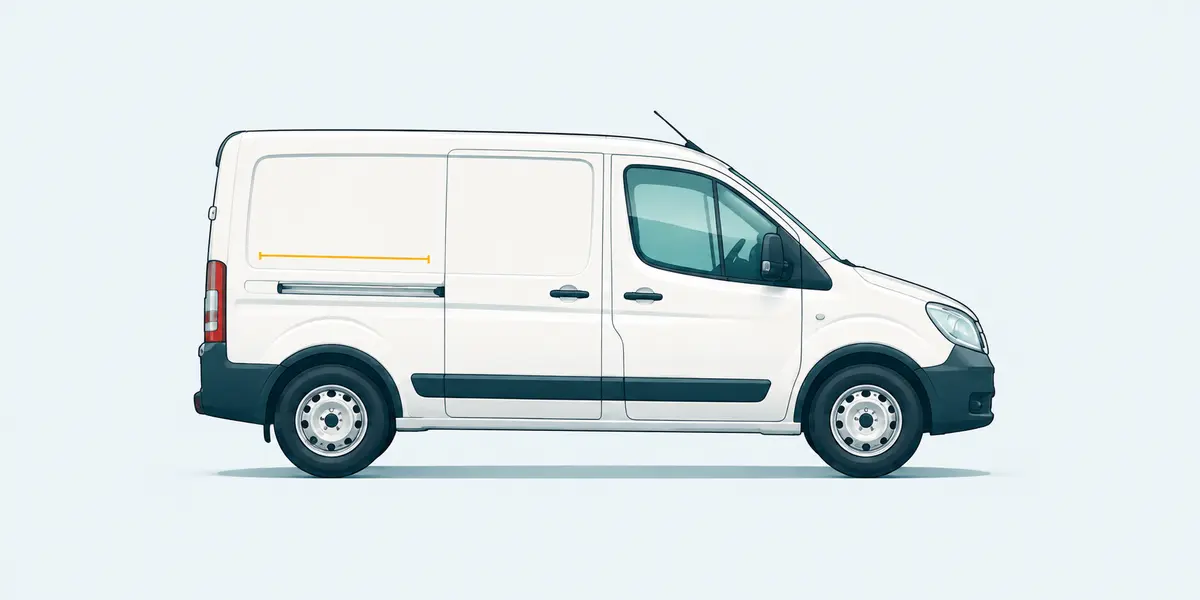 AI-generated illustration
Compact
Compact van
Easy to handle in cities and car parks. A good starting point when you only have a few bulky items and limited cargo.
- Load volume
- 3–6 m³
- Payload
- approx. 500–700 kg
- Licence
- Category B
Good for: individual items, boxes and small transport jobs.
View class details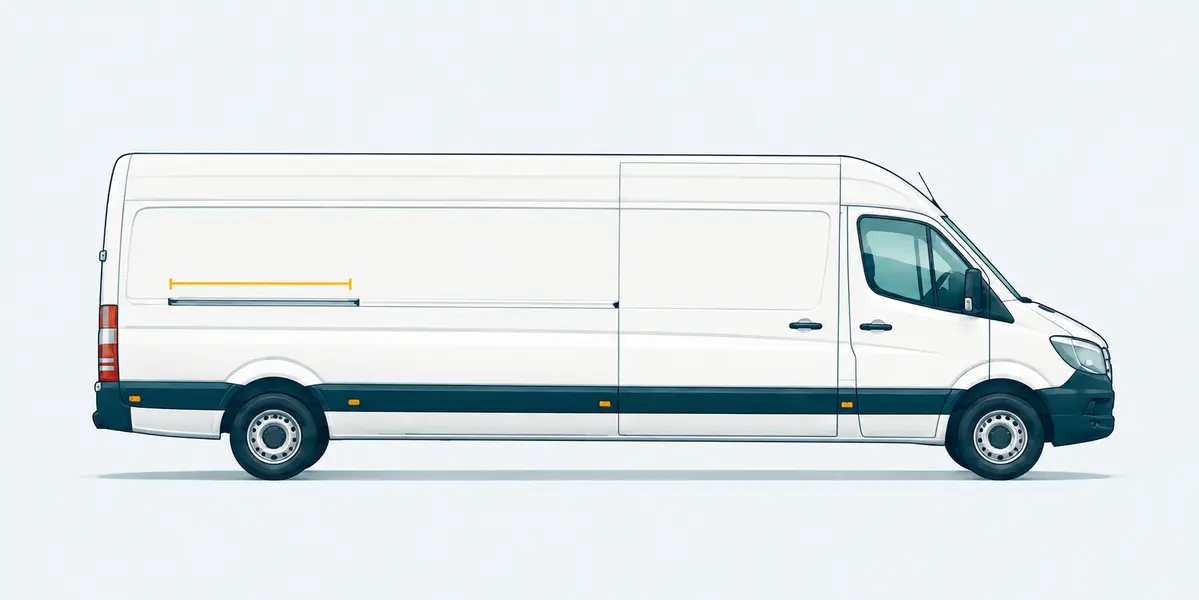 AI-generated illustration
Flexible
Sprinter / CrafterLarge panel van
The versatile all-round class. Wheelbase, roof height and exact dimensions can still vary substantially within the range.
- Load volume
- 6–14 m³
- Payload
- approx. 700–1,400 kg
- Licence
- Category B up to 3.5 t
Good for: small to medium moves and longer furniture.
View class details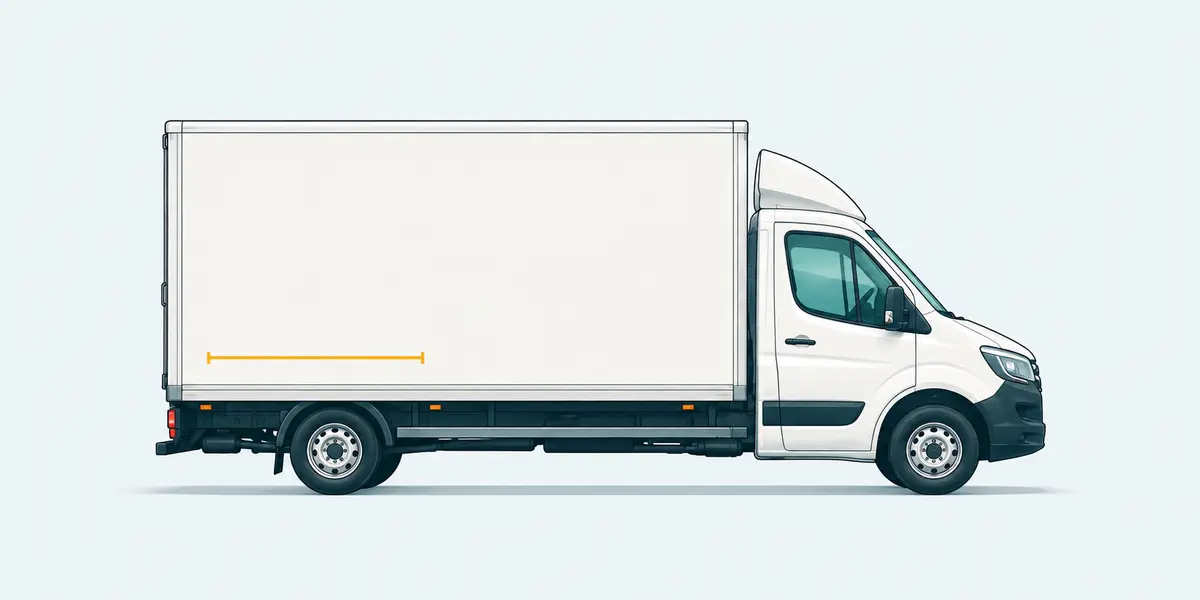 AI-generated illustration
More space
Box vanmoving van up to 3.5 t
Straight walls make stacking easier. On 3.5-tonne builds, payload can still be limited despite the large volume.
- Load volume
- approx. 18–21 m³
- Payload
- approx. 650–1,000 kg
- Licence
- Category B if GVW ≤ 3.5 t
Good for: larger flats, bulky furniture and stackable cargo.
View class details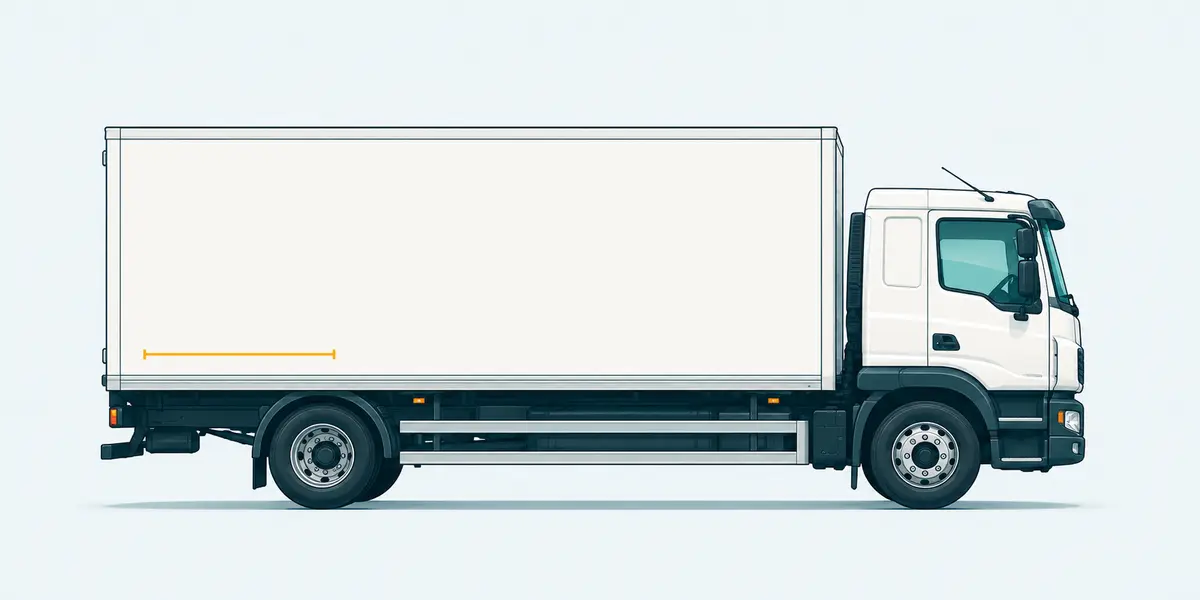 AI-generated illustration
Large
7.5-tonne truck
More load volume and payload, but also greater licence, manoeuvring and planning requirements.
- Load volume
- 23–36 m³
- Payload
- approx. 2,000–3,000 kg
- Licence
- appropriate truck licence
Good for: large household moves and heavier cargo.
View class detailsValues are planning ranges. Exact rental vehicles can vary by model, wheelbase, roof height and body. View methodology.
3-question check
Which class should you check first?
Three choices are enough for a useful starting point. The result is an orientation; your actual cargo and the data of the concrete rental vehicle remain decisive.
Not just cubic metres
Three limits determine the right class
Volume
How much total space is available? This is the first size estimate.
Dimensions
The longest item, internal height and loading opening can become the bottleneck even when cubic metres look sufficient.
Payload
Heavy cargo can reach the permitted payload while there is still empty space.